
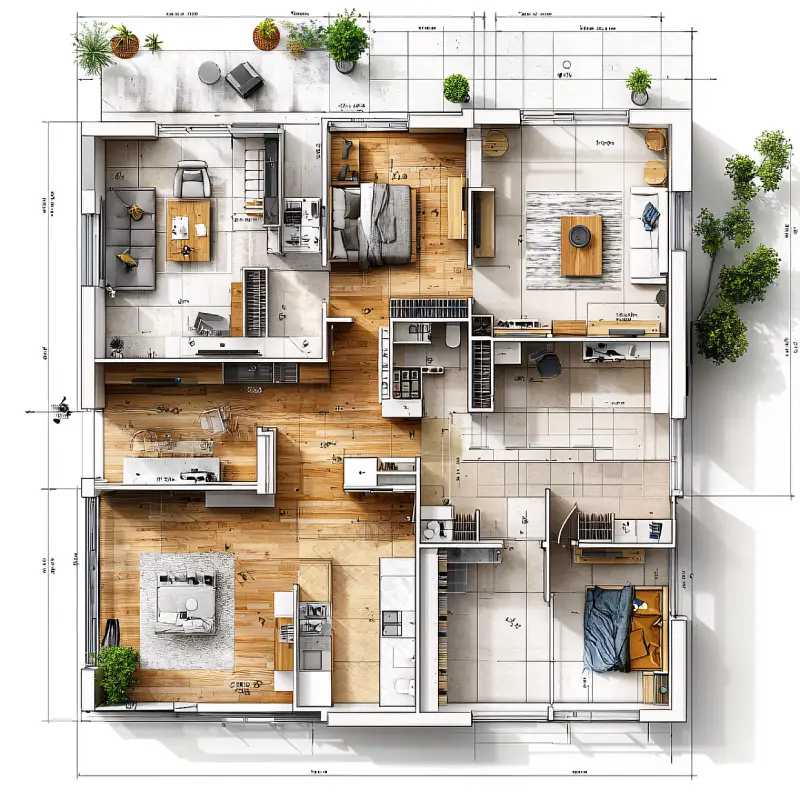
Planning a room layout that genuinely supports everyday life is one of the most transformative parts of interior design. Whether you’re updating a single room or rethinking your entire home, a well‑considered layout can improve comfort, flow and long‑term cost savings by helping you avoid expensive mistakes. As a freelance interior designer working across Cornwall and the wider UK, I’ve seen how much difference thoughtful planning can make to the way people live and feel in their homes.
Below is a simple, practical guide to creating a layout that works beautifully in real life.
Start With How the Room Will Be Used
Before choosing furniture or colours, take a moment to understand the purpose of the space. A room designed for relaxing will function very differently from one meant for hosting or working.
Consider:
- Who uses the room
- What activities take place there
- How often the space needs to adapt
- Whether the room has multiple functions
Clarity at this stage sets the foundation for every decision that follows.
Understand Circulation and Movement
Good circulation is what makes a room feel effortless. Poor circulation is what makes it feel cramped or awkward. Thinking about how people naturally move through the space helps you avoid blockages and create a layout that feels intuitive.
Pay attention to:
- Walking routes
- Entry and exit points
- How people move around furniture
- Avoiding tight corners or blocked pathways
A layout that respects movement patterns instantly feels more comfortable.
Choose a Focal Point
Every room benefits from a visual anchor — something that draws the eye and helps organise the space.
This could be:
- A fireplace
- A large window or view
- A statement sofa or armchair
- Artwork or a feature wall
Once you identify the focal point, arrange the rest of the room to support it rather than compete with it.
Think in Zones, Not Just Furniture
Instead of placing items one by one, imagine the room divided into functional zones. This approach is especially helpful in open‑plan layouts.
Examples include:
- A seating area
- A dining area
- A workspace
- A reading nook
Zoning creates clarity and structure, making the room feel more intentional and easier to use.
Measure Before Buying Anything
This is where many people go wrong — and where the biggest cost savings can happen. Buying furniture that doesn’t fit leads to returns, replacements and unnecessary stress.
Make sure to measure:
- Wall lengths
- Door openings
- Window placements
- Existing furniture
- Clearance for movement
A tape measure is one of the simplest yet most powerful interior design tools.
Leave Room to Breathe
Negative space is just as important as the pieces you choose. Overfilling a room makes it feel smaller and less functional.
Aim to:
- Keep pathways clear
- Avoid pushing everything against the walls
- Give each piece space to shine
- Allow for visual breathing room
A room with space feels calmer, more balanced and more inviting.
Conclusion
A well‑planned room layout is the backbone of good interior design. It enhances daily life, prevents costly mistakes and creates spaces that feel both beautiful and practical. Whether you’re based in Cornwall or elsewhere in the UK, thoughtful planning is always worth the effort.
If you’d like support creating a layout that truly works for your home, I’d love to help. Feel free to get in touch to explore how we can create a functional, inspiring space tailored to your lifestyle.
If you want, I can also help you format this perfectly for your Journal page or adapt it into a shorter social post.
Room to breathe and negative space are so important – taking time to live with a space and evaluate how your living patterns blend.